
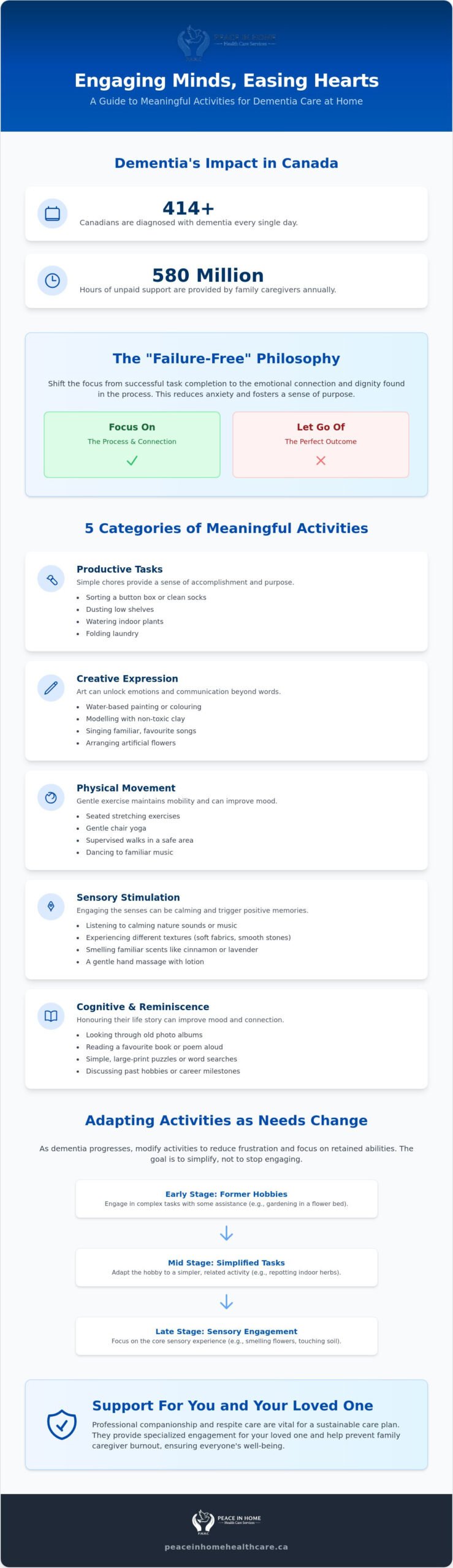
In 2026, more than 414 Canadians are diagnosed with dementia every single day, leaving hundreds of families across the Greater Toronto Area wondering how to bridge the gap between safety and stimulation. It’s a heavy burden to carry, especially when you realize that family caregivers in Canada now provide over 580 million hours of unpaid support annually. Finding meaningful activities for dementia patients at home often feels like a secondary priority when you’re just trying to manage the daily routine without an accident or an episode of wandering.
You likely feel a deep sense of guilt when a loved one sits in silence, yet the exhaustion of caregiver burnout makes it hard to find the energy for creative engagement. We understand that you want more than just “busy work” for your parent; you want moments of genuine connection that reduce agitation and bring a sense of peace to your household. This guide offers a compassionate look at therapeutic, person-centred activities designed to improve quality of life. You’ll learn how to tailor engagement to their unique life story while discovering how professional companionship and respite care can support your family’s well-being.
Key Takeaways
- Learn the “failure-free” philosophy to prioritize emotional connection and dignity over the successful completion of a task.
- Discover how to use reminiscence and sensory stimulation to create personalized activities for dementia patients at home that honour their unique life history.
- Understand how to adapt engagement as needs change, moving from complex cognitive hobbies to simplified, repetitive tasks that reduce frustration.
- Gain practical techniques for managing “no” responses and wandering risks to ensure every activity remains safe and supportive.
- Explore how professional companionship and respite care can help prevent caregiver burnout while keeping your loved one active and engaged.
Why Therapeutic Engagement Matters for Dementia Patients at Home
When we discuss activities for dementia patients at home, we aren’t just looking for ways to pass the hours until bedtime. There’s a vital distinction between simple entertainment, like sitting in front of a television, and therapeutic engagement. While entertainment is often passive, therapeutic engagement is a purposeful interaction that taps into an individual’s remaining strengths and interests. This approach is rooted in Psychological therapies for dementia, which use non-pharmacological interventions to improve mood, stimulate cognitive function, and foster a sense of belonging.
At the core of this strategy is the “failure-free” philosophy. This means we focus entirely on the process of the activity rather than the end result. If your loved one is helping to “sort” laundry, it doesn’t matter if the socks are perfectly matched or if the towels are folded neatly. What matters is the sense of contribution and the familiar, soothing rhythm of the task. By removing the pressure to “get it right,” we eliminate the fear of making a mistake, which is a significant source of anxiety for many seniors. This shift in perspective helps reduce sundowning and late-day agitation, as the person feels valued and productive throughout the day. To set the most effective goals, it’s helpful to first understand the specific stages of dementia, ensuring the tasks you choose match their current abilities.
The Benefits of a Structured Daily Routine
Predictability acts as a safety net for those living with dementia. When the day follows a reliable pattern, it reduces the “cognitive load” of trying to figure out what comes next. We suggest integrating activities into natural “anchor points” of the day. For instance, a gentle walk after breakfast or listening to a favourite musical playlist during morning grooming can create a comforting flow. It’s equally important to balance these active periods with scheduled quiet time. Overstimulation can be just as distressing as boredom, so providing a calm environment for rest ensures they don’t become overwhelmed.
Preserving Dignity Through Adult-Centred Activities
Maintaining dignity is essential when choosing how to spend the day. We always advocate for adult-centred tasks that respect the person’s long life and professional history. Avoid activities that feel “childish,” such as using toys designed for toddlers. Instead, look for ways to adapt their former hobbies. A retired gardener might enjoy repotting indoor herbs, while someone who loved to cook might find joy in snapping fresh green beans for dinner. Often, the role of personal care assistance for seniors is the first step in this process. When a loved one feels clean, dressed, and physically comfortable, they’re much more likely to participate in the world around them with confidence.
5 Categories of Meaningful Activities for Home Care
Choosing the right activities for dementia patients at home requires a blend of creativity and observation. In Toronto, our planning often depends on the season. A bright July afternoon might allow for a supervised walk in a local park, while a snowy February morning requires stimulating indoor options. The Alzheimer’s Association suggests that meaningful activities for dementia should always be flexible, focusing on what the person can still enjoy rather than what they’ve lost. Integrating these activities for dementia patients at home into a daily routine ensures the environment stays positive and engaging.
- Productive Tasks: Many seniors find great comfort in “work.” Simple, safe household chores like dusting a low shelf, sorting a button box, or matching clean socks provide a tangible sense of accomplishment and purpose.
- Creative Expression: Art doesn’t require technical skill to be therapeutic. Water-based painting, clay modelling, or singing familiar hymns can unlock emotions that words sometimes cannot reach.
- Physical Movement: Maintaining mobility is crucial for preventing falls. Tailored exercises, such as seated stretching or gentle chair yoga, help keep joints limber and improve circulation without causing overexertion.
Reminiscence and Memory Work
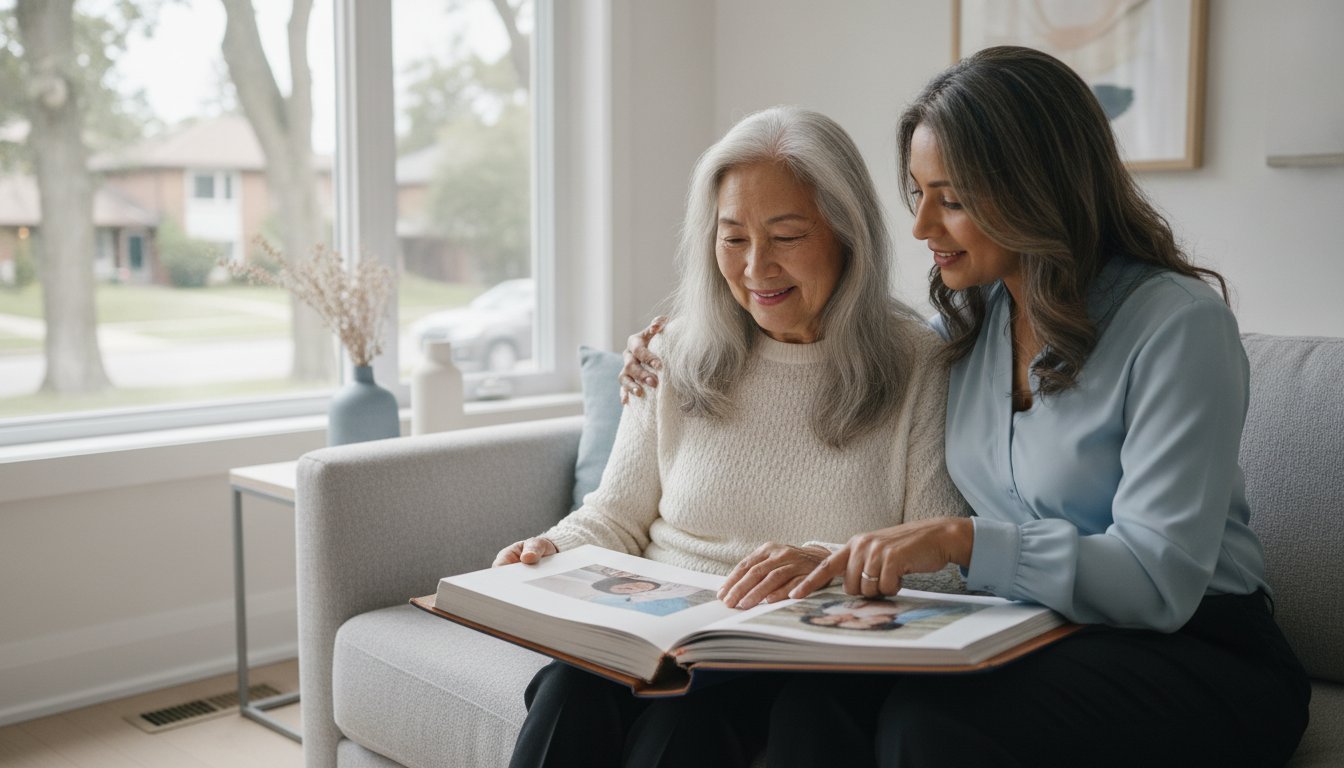
Reminiscence therapy uses all the senses to help individuals reach back into their long-term memory. Creating a “Life Story Book” filled with old photographs and mementos can facilitate recognition and spark meaningful conversation between family members. For those specifically managing vascular dementia, using concrete prompts like “Tell me about your first car” or “What was your favourite childhood meal?” can be more effective than asking broad, open-ended questions. Music is also a powerful tool; building playlists from the patient’s formative years, typically their teens and 20s, often triggers a joyful emotional response even when verbal communication is limited.
Sensory and Tactile Engagement
When cognitive abilities decline, sensory experiences become a primary way to connect with the world. Scent-based activities are particularly evocative. You might try identifying familiar kitchen herbs like rosemary or mint, or the scent of fresh pine during the winter months. Texture bins filled with smooth stones, velvet fabric, or dry pasta can also provide calming tactile stimulation. During our dementia home care in North York visits, our companions often incorporate gentle hand massages with lavender oil to soothe anxiety and promote relaxation. If you’re feeling overwhelmed by the daily routine, our team can help you develop a tailored engagement schedule that works for your family’s unique situation.
Adapting Activities Based on the Stage of Dementia
Understanding that dementia is a progressive journey is the most important step in selecting effective activities for dementia patients at home. What brought joy and engagement six months ago might cause confusion or distress today. It’s helpful to view engagement as a sliding scale that shifts from cognitive challenge to sensory comfort as the condition evolves. For example, a person who once enjoyed the complex strategy of bridge might eventually find more peace in the simple, rhythmic motion of shuffling a deck of cards. Monitoring your loved one’s body language is essential; if they begin to sigh, look away, or fidget, it’s a clear signal to pivot to a simpler task or end the session to maintain a peaceful environment.
Early Stage: Maintaining Independence
In the early stages, the goal is to preserve functional skills and social connection for as long as possible. This is the ideal time for complex cognitive games, such as word puzzles, crosswords, or strategy-based board games. Technology can also play a role here; several apps designed for cognitive stimulation can provide hours of low-stress engagement. Living in the GTA offers unique opportunities for community-based stimulation. A trip to the Royal Ontario Museum or a stroll through the Toronto Botanical Garden provides vital external connection. Many families find that companionship care for seniors Toronto is incredibly beneficial during this phase. A trained companion can facilitate these outings safely, ensuring your loved one remains an active part of their neighbourhood while you take a necessary break from the demands of caregiving.
Middle and Late Stage: Sensory Comfort
As the condition progresses into the middle stage, complexity must give way to simplicity. Tasks should be broken down into one-step instructions to prevent the person from feeling overwhelmed. Repetitive motions often provide a soothing, meditative rhythm that reduces anxiety. You might try activities like shelling peas, winding yarn into balls, or using a large-piece jigsaw puzzle with high-contrast colours. By the late stage, the focus shifts entirely from “doing” to “being.” At this point, meaningful activities for dementia patients focus on physical presence and sensory soothing rather than task completion. This might include listening to soft classical music, reading a favourite poem aloud, or providing a gentle hand massage with familiar scents.
Creating a “calm centre” in the home, free from the noise of the television or loud household appliances, helps prevent the overstimulation that often leads to late-afternoon distress. During these later stages, your physical presence and non-verbal cues, like a warm smile or a gentle touch, become the most powerful forms of engagement you can provide. It’s no longer about the activity itself, but the feeling of safety and love that the interaction creates.
Overcoming Common Challenges: Safety and Caregiver Burnout
Planning daily engagement is a significant mental undertaking. It’s common to feel a sense of defeat when your efforts are met with resistance. Managing a “no” requires patience and a willingness to pivot. Often, a refusal isn’t about the activity itself but might stem from underlying discomfort, fatigue, or the time of day. In Toronto, our changing seasons also dictate our options. During the biting cold of January, we might focus on indoor herb gardening or bird watching from a comfortable window. When the humidity of a GTA July hits, we move to a shaded patio for sensory stimulation. These adjustments ensure that activities for dementia patients at home remain safe and enjoyable regardless of the weather outside.
It’s vital to recognize when the joy of connection turns into the weight of a chore. Caregiver fatigue is real. The emotional labour of constantly innovating can lead to deep exhaustion. If you’re feeling drained, you aren’t failing; you’re simply human. Recognizing these signs early allows you to seek the support needed to maintain your own well-being and the quality of care you provide.
Creating a Safe “Activity Zone”
Safety is the foundation of any successful engagement. Depth perception often changes as dementia progresses, so using high-contrast colours is helpful. For example, placing a bright blue placemat under a white plate helps a person see exactly where their activity begins. Ensure the area has consistent, bright lighting to eliminate shadows, which can be misinterpreted as obstacles or even holes in the floor. We also recommend keeping a dedicated kit of safe supplies, such as rounded scissors and non-toxic glues, stored in a familiar and secure spot to prevent accidents or wandering during the setup process.
The Role of Respite Care in Engagement
Professional caregivers often have a unique advantage when initiating activities for dementia patients at home. They bring a fresh perspective and specialized training without the heavy emotional exhaustion that family members naturally carry. Utilizing home care services for seniors Toronto allows you to step back and recharge while knowing your loved one is meaningfully engaged. For families managing more complex medical needs alongside daily engagement, skilled nursing care at home Toronto can provide the clinical expertise needed to ensure both safety and quality of life are maintained. This transition isn’t about giving up your role. It’s about building a supportive team that preserves the dignity and happiness of everyone in the household.
How Peace In-Home Health Care Services Supports Dementia Engagement
At Peace In-Home Health Care Services, we believe that every individual deserves a life filled with purpose and connection. With over 17 years of experience since 2007, our team specializes in creating meaningful activities for dementia patients at home that go beyond basic supervision. We don’t just watch over your loved one; we join them in their world. Our “human-first” approach ensures that every interaction prioritizes dignity and emotional well-being, whether we are serving families in Scarborough, Mississauga, or North York. By focusing on the person rather than the diagnosis, we help preserve the unique spark that makes your loved one who they are.
We develop personalized care plans that are as unique as the person receiving them. By mapping out a patient’s life story, professional background, and personal preferences, we can tailor engagement to what truly resonates. A retired teacher might enjoy “organizing” a home library, while a former engineer might find peace in gentle tactile tasks. This specialized focus helps maintain a sense of self even as cognitive abilities change. For those returning home after a hospital stay, our skilled nursing care at home Toronto services ensure that medical needs are expertly managed alongside meaningful daily engagement. Our reach extends across the GTA, including Vaughan and Markham, ensuring that high-quality, compassionate support from Peace In-Home Health Care Services is always within reach for Ontario families.
Expert Companionship in the GTA
Our caregivers act as dedicated activity partners who understand the nuances of dementia-related behaviours. By providing consistent routines, they help reduce the anxiety that often leads to agitation or wandering. We believe in transparency, which is why we provide regular updates to family members regarding engagement levels and mood. This collaborative approach ensures that everyone involved in the care circle feels supported and informed. Whether it’s a morning of reminiscence therapy or an afternoon of sensory stimulation, our companions are trained to keep your loved one active and safe.
Getting Started with Professional Dementia Care
The process begins with a comprehensive initial assessment where we listen to your concerns and learn about your loved one’s history. This allows Peace In-Home Health Care Services to create a reliable plan for activities for dementia patients at home that adapts to their specific stage of the journey. We offer flexible scheduling to meet your family’s needs, ranging from a few hours of hourly companionship to 24/7 live-in support. Our goal is to provide the respite you need while ensuring your loved one remains stimulated, comfortable, and safe in their own familiar environment.
Contact Peace In-Home Health Care Services for a free dementia care consultation
Honouring the Person Behind the Diagnosis
Creating a vibrant, supportive environment for your loved one is a journey that requires both patience and a steady hand. By focusing on failure-free engagement and adapting your approach as needs change, you can transform daily routines into moments of genuine connection. Finding the right activities for dementia patients at home is not just about filling time; it’s about honouring their unique life story and preserving their sense of self. Whether you are in Mississauga, North York, or downtown Toronto, you don’t have to navigate these complex transitions alone.
Peace In-Home Health Care Services brings over 17 years of specialized experience to your doorstep. Our vetted caregivers are trained to implement customized care plans that prioritize safety and emotional well-being. We’re here to provide the professional companionship and respite support your family needs to find peace of mind while ensuring your loved one feels valued every day.
You’ve already taken the first step by learning how to better support your loved one. With the right resources and a compassionate team by your side, a more balanced and joyful home life is possible.
Frequently Asked Questions
What are the best activities for a dementia patient who refuses to participate?
If a loved one refuses to participate, try shifting from a direct request to a gentle invitation for help. Instead of asking if they want to play a game, you might ask them to help you sort some laundry or listen to a song you enjoy. This “parallel engagement” reduces the pressure to perform. Often, simply starting an activity yourself nearby can spark their curiosity and lead to natural participation without the stress of a formal start time.
How many hours of activity should a senior with dementia have each day?
There is no set number of hours required, as the quality of engagement is far more important than the duration. Aim for short bursts of 15 to 20 minutes of activities for dementia patients at home spread throughout the day. Focusing on anchor points, such as a light task after breakfast or a sensory experience before dinner, prevents overstimulation while ensuring your loved one feels connected and productive during their peak energy levels.
Can technology like tablets or apps help with dementia at home?
Technology can be a wonderful tool when used with supervision to prevent frustration. Tablets offer access to simple digital puzzles, high-contrast colouring apps, and video calls that bridge the gap with distant family members. The key is to choose apps with intuitive interfaces and no “fail” states. When integrated into a balanced routine, these digital tools provide cognitive stimulation and a window to the outside world from the comfort of the living room.
Are there specific activities that help reduce sundowning in the evening?
To reduce evening sundowning, focus on calming, low-stimulation routines that signal the end of the day. Activities like listening to familiar, soft music or engaging in gentle tactile tasks, such as folding warm towels, can be very soothing. It’s also helpful to close the curtains and turn on bright, warm indoor lighting before the sun sets to minimize shadows and confusion, which often trigger late-day agitation and distress.
Is it safe to do outdoor activities with a dementia patient in Toronto winters?
Outdoor activities are safe in Toronto winters as long as you prioritize warmth, traction, and short durations. A five-minute walk on a cleared path can provide vital fresh air and a sensory change. However, if the icy conditions in the GTA make walking risky, you can still enjoy the outdoors from inside. Setting up a bird feeder near a window allows for meaningful observation and engagement without the physical risks of the cold and slippery pavement.
How do I know if an activity is too difficult for my loved one?
You’ll know an activity is too difficult if your loved one begins to sigh, fidget, or look away frequently. These non-verbal cues are early warning signs of frustration. If they stop following instructions or become unusually quiet, it’s a signal to simplify the task immediately or gently transition to a more familiar, “failure-free” experience. The goal is always the feeling of success and connection, never the actual completion of the task itself.
Can professional caregivers help with activities if I am at work?
Professional caregivers are excellent partners for facilitating activities for dementia patients at home while you are at work or taking a break. A trained companion doesn’t just provide supervision; they act as a dedicated engagement partner who can lead reminiscence exercises or sensory tasks tailored to your loved one’s history. This consistent support ensures that your family member remains stimulated and safe, even when you aren’t physically present to lead the day’s routine.
What should I do if my loved one becomes agitated during a game or task?
If agitation occurs, stop the activity immediately and validate their feelings with a calm, gentle tone. Avoid trying to fix the mistake or pushing them to finish the task. Instead, pivot to something soothing, like a familiar snack or a favourite piece of music. Changing the environment by moving to a different chair or a quieter room can also help reset their mood and reduce the sensory overload that often causes emotional distress.