

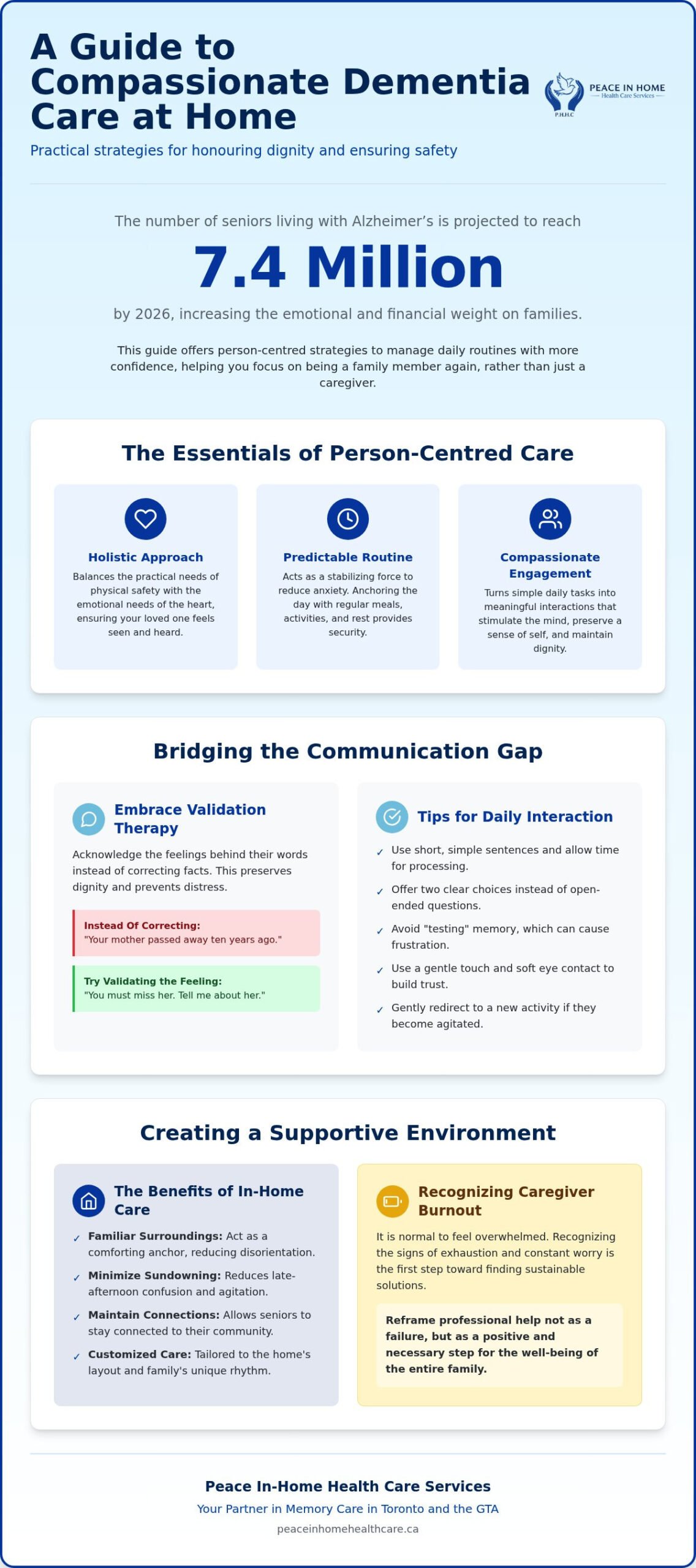
What if the goal of care for dementia patients wasn’t just to manage a medical diagnosis, but to protect the very essence of who they are? In 2026, with an estimated 7.4 million seniors living with Alzheimer’s, the emotional and financial weight on families has reached unprecedented levels. You may find yourself exhausted by constant safety concerns or the heartbreak of failing to connect through a simple conversation. It’s a heavy burden to carry, and it’s completely normal to feel overwhelmed by the shifting roles and responsibilities in your household.
We know you want to honour your loved one’s dignity while ensuring they stay safe and comfortable in familiar surroundings. This guide offers practical, person-centred strategies and professional insights to help you manage daily routines with more confidence and less anxiety. You’ll discover how to improve communication, organize a safer home environment, and identify sustainable support options that allow you to focus on being a family member again, rather than just a caregiver.
Key Takeaways
- Learn how to implement a holistic approach to care for dementia patients that balances physical safety with the preservation of personal dignity.
- Discover how validation therapy and non-verbal cues can bridge communication gaps and reduce daily frustration for your loved one.
- Master practical ways to organize a therapeutic home environment using simple wayfinding techniques and high-contrast colours.
- Identify the early red flags of caregiver burnout and learn how to reframe professional assistance as a positive step for the whole family.
- Understand the benefits of partnering with experienced professionals to ensure a stable, supportive lifestyle for seniors aging in place.
Understanding the Essentials of Care for Dementia Patients at Home
Effective care for dementia patients involves much more than just monitoring physical safety. It’s a holistic approach that balances the practical needs of the body with the emotional needs of the heart. By Understanding Dementia as a journey rather than just a set of symptoms, families can create an environment where their loved ones feel truly seen and heard. This requires looking past the cognitive changes to the individual who remains, ensuring their daily life is filled with purpose and familiar comforts.
A predictable daily routine acts as a stabilizing force in a world that can often feel confusing or frightening. When a person knows what to expect next, their anxiety levels drop significantly. This consistency helps reduce the mental fatigue that leads to agitation. By anchoring the day with regular meal times, gentle activities, and quiet rest periods, you provide a sense of security that no medication can replicate. It’s about creating a rhythm that honours their past while securing their present.
The Role of a Compassionate Caregiver
A truly effective caregiver goes beyond basic supervision to provide active therapeutic engagement. This means turning a simple walk or a meal into a meaningful interaction that stimulates the mind and warms the spirit. Whether it’s reminiscing over old photos or listening to a favourite song, these moments preserve a sense of self. During personal care tasks, a compassionate approach ensures the individual’s dignity remains intact by moving at their pace and respecting their privacy. Person-centred care is the prioritization of the individual’s unique history, personality, and preferences above the clinical aspects of their diagnosis.
Why Home Care is Often the Best Option in Toronto
Staying within a familiar neighbourhood allows seniors to maintain vital connections to their community in the GTA. This continuity is especially important for minimizing “sundowning,” a period of increased confusion and agitation that often occurs in the late afternoon. In a home they’ve lived in for years, every hallway and piece of furniture serves as a comforting anchor. It reduces the disorientation that often comes with new environments.
Choosing personal care assistance for seniors allows for a level of customization that institutional settings simply cannot match. Care is tailored to the specific layout of a Toronto home and the unique rhythms of the family’s life. This flexibility ensures that the care for dementia patients is as unique as the individuals themselves, fostering a sense of independence while providing the professional oversight necessary for safety and peace of mind.
Effective Communication and Behavioural Management Strategies
When you provide care for dementia patients, you quickly realize that logic often takes a backseat to emotion. Correcting a loved one about dates or facts can lead to unnecessary conflict and distress for everyone involved. Instead of focusing on the accuracy of their statements, try validation therapy. This approach involves acknowledging the feelings behind their words. If they’re searching for a parent who passed away years ago, don’t remind them of the loss. Instead, ask them what they remember most about that person. This validates their reality and preserves their dignity while preventing a spiral of grief.
Non-verbal cues are just as vital as the words you choose. Maintaining soft eye contact and using a gentle touch on the arm can build a bridge of trust when words fail. Your body language should signal that you’re a safe, calm presence. Many families find that finding dementia care services that offer specialized training in these techniques can significantly reduce daily tension. By mirroring their calm and avoiding sudden movements, you help them feel secure in their environment.
Practical Tips for Daily Interaction
Keep your conversations light and easy to follow. Use short, simple sentences and allow plenty of time for your loved one to process what you’ve said. It’s helpful to avoid “testing” their memory with questions like “Do you remember what we did today?” This often causes embarrassment and frustration. Instead, provide gentle reminders as part of the natural flow of conversation. If they become fixated on a specific worry, try a gentle redirection. Moving to a different room or starting a favourite activity can often break the cycle of agitation without a confrontation.
- Offer two clear choices instead of open-ended questions to prevent them from feeling overwhelmed.
- Use a warm, steady tone of voice, even if you’re feeling stressed yourself.
- Focus on the person’s current mood rather than trying to reason with them.
Managing ‘Sundowning’ and Late-Day Agitation
Many families notice a shift in behaviour as the sun begins to set. This phenomenon, often called sundowning, can lead to increased confusion, pacing, or irritability. You can manage this by making simple environmental adjustments. Close the curtains before dusk to prevent shadows that might be frightening, and keep the home well-lit. Reducing noise from televisions or loud appliances can also help maintain a peaceful atmosphere during these sensitive hours.
For many in the GTA, companionship care for seniors Toronto provides a reliable way to manage these difficult transitions. Having a consistent, professional presence during the late afternoon can offer the calming engagement your loved one needs. If you’re feeling the strain of these daily shifts, you might want to speak with a care coordinator to explore how tailored support can restore balance to your evenings.
Creating a Safe and Therapeutic Home Environment
A home should be more than just a place to live. When providing care for dementia patients, the physical layout of the house becomes a vital tool in managing symptoms and promoting a sense of calm. The goal is to create a sanctuary that reduces confusion while encouraging independence. Simple adjustments to the environment can prevent the sensory overload that often leads to distress. By removing “visual noise” like busy floral wallpapers or cluttered countertops, you help your loved one focus on the task at hand without feeling overwhelmed.
Wayfinding is another essential element of a supportive home. As cognitive changes progress, finding the bathroom or bedroom can become a source of anxiety. You can solve this by using high-contrast colours and clear labels. A bright red seat on a white toilet or a simple picture of a plate on the pantry door provides the visual cues necessary for navigation. Additionally, creating a “memory corner” filled with cherished photos and familiar objects can act as a gentle anchor. This dedicated space offers positive cognitive recall and a sense of belonging when the rest of the world feels unfamiliar.
Safety Modifications for Every Room
High-risk areas like the kitchen and bathroom require specific attention to prevent accidents. Install grab bars near the toilet and shower, and consider using non-slip mats that contrast with the floor colour to improve depth perception. To manage the risk of wandering, you might use subtle door alarms or even camouflage exit points by painting doors the same colour as the surrounding walls. These changes provide security without making the home feel like a clinical facility. For more ideas on how to transform these safe spaces into areas of engagement, see our guide on activities for dementia patients at home.
Therapeutic Daily Activities
Meaningful engagement is a cornerstone of effective memory care. Activities shouldn’t just “fill time”; they should tap into long-term memories and past hobbies. If your loved one always enjoyed gardening, they might find peace in repotting indoor plants or sorting seeds. Sensory stimulation is also incredibly powerful. The scent of baking bread or the texture of a soft, familiar fabric can evoke feelings of comfort and safety.
It’s important to adapt these tasks as the condition evolves. A person who once enjoyed complex puzzles might now find satisfaction in simply sorting pieces by colour. For many families, accessing external Caregiver Support and Resources provides the necessary framework to adjust these activities as needs change. By focusing on what the person can still do, rather than what they’ve lost, you help them maintain a sense of accomplishment and joy in their daily life.
When to Seek Professional Support: Recognizing Caregiver Burnout
Providing care for dementia patients is a deeply personal journey that requires immense emotional and physical strength. However, many family members eventually reach a point where their own health begins to suffer. It’s vital to recognize the red flags of clinical burnout before they become overwhelming. Signs like persistent irritability, physical exhaustion that sleep doesn’t fix, and a growing sense of social isolation are clear signals that you need more support. Ignoring these warnings doesn’t just hurt you; it can eventually impact the quality of care you’re able to provide to your loved one.
Many families face a “guilt barrier” when they first consider hiring outside help. You might feel that you’re failing in your duty or giving up on your promises. It’s helpful to reframe this decision. Bringing in a professional isn’t an admission of defeat. Instead, it’s a way to preserve your relationship. By delegating the demanding physical tasks, you can return to being a daughter, son, or spouse again. This shift allows you to focus on meaningful connection rather than just managing a checklist of medical needs. Depending on your situation, support can range from a few hours of help with daily routines to specialized skilled nursing care at home Toronto for more complex health requirements.
The Benefits of Respite Care
Taking regular breaks is essential for maintaining your own resilience. Utilizing services for preventing caregiver burnout Toronto ensures that you have the time to rest and recharge. Overnight respite can be particularly transformative, providing you with the restorative sleep needed to handle the challenges of the next day. Professional caregivers are also equipped to handle medication management and mobility assistance, reducing the physical strain on your body and providing peace of mind that your loved one is in expert hands.
How to Choose a Home Care Agency in the GTA
Selecting the right partner is about finding a balance of expertise and personality. Look for agencies that prioritize specialized dementia training and have a reliable reputation within your local community. Whether you live in Vaughan, Richmond Hill, or Mississauga, a thorough home assessment is a critical first step. This process allows the agency to understand the unique layout of your home and the specific temperament of your loved one. Matching a caregiver’s personality to the patient is just as important as their clinical skills, as it ensures a dignified and comfortable experience for everyone involved.
When introducing a professional Personal Support Worker (PSW), start slowly. You might introduce them as a “friend of the family” or a “helper for the house” to minimize any initial resistance. Begin with short visits while you are still present, gradually increasing the time as your loved one becomes more comfortable with the new routine. This methodical approach builds trust and ensures a smooth, low-stress transition for the whole family.
Peace In-Home Health Care: Your Partner in Memory Care
Peace In-Home Health Care recognizes that the decision to bring a professional into your home is a significant step. We’ve spent more than 17 years refining our approach to senior home care, ensuring that our support is as compassionate as it is expert. Our “Peace of Mind” promise means you can trust us to provide reliable, dignified, and professional care that honours your loved one’s history. We operate as a family-oriented service across Toronto and the GTA, standing alongside you as a steady partner during complex life transitions.
A central part of our mission is the creation of a tailored care plan. We realize that the care for dementia patients must be dynamic. As the condition progresses, our support shifts to meet new challenges, ensuring your loved one always feels secure and respected. This personalized strategy allows us to focus on the individual, not just their diagnosis. It ensures the care for dementia patients remains relevant and supportive at every stage of their journey, fostering a sense of stability when it’s needed most.
Our Specialized Dementia Care Services
We provide a comprehensive range of supports designed to make daily life smoother and safer. Our caregivers assist with medication reminders and nutritious meal preparation, ensuring that the fundamental needs of health and wellness are always met. We also offer dignified personal care assistance, which is delivered with the utmost respect for the individual’s privacy. For families managing more complex medical situations, our skilled nursing care services provide professional oversight for chronic condition management. Additionally, our accompaniment services ensure that errands and medical appointments are handled with patience and care, reducing the stress of travel for your loved one.
Getting Started with a Free Consultation
If you’re feeling overwhelmed or simply want to explore your options, we invite you to reach out for a no-pressure assessment. We support families in North York, Scarborough, Oakville, and throughout the surrounding GTA. This initial conversation is a chance for us to understand your specific situation and for you to see how our expertise can bring peace back to your household. We’re here to help you navigate this path with confidence and kindness, allowing you to focus on the quality of the time you spend together.
Contact Peace In-Home Health Care for a compassionate consultation today.
Finding Peace and Balance in Your Caregiving Journey
Providing high-quality care for dementia patients is a journey that requires both a soft heart and a structured plan. By focusing on person-centred strategies and making thoughtful modifications to the home environment, you can significantly reduce daily stress for your entire household. You’ve learned that effective communication is rooted in emotion rather than facts, and that your own well-being is the essential foundation of your loved one’s safety. Protecting their dignity starts with ensuring you have the support you need to remain a patient, loving presence in their life.
Peace In-Home Health Care brings over 17 years of compassionate experience and specialized Alzheimer’s and dementia training to families across Toronto, Vaughan, Markham, and the wider GTA. We are here to help you move from being an exhausted caregiver back to being a supportive daughter, son, or spouse. Our team provides the professional oversight and reliable presence needed to ensure your loved one lives with the security they deserve in the comfort of their own home.
You don’t have to navigate these complex transitions alone. With the right partner by your side, it’s possible to find a sustainable balance that protects both your health and your loved one’s independence. We look forward to helping your family find lasting peace of mind.
Frequently Asked Questions
What are the first signs that a dementia patient needs professional home care?
The first signs often involve safety risks, such as forgetting to turn off the stove or missing essential medication doses. You might also notice a decline in personal hygiene or significant weight loss due to forgotten meals. If your loved one is becoming increasingly isolated or confused by routine household tasks, it’s a sign that the current level of support may no longer be enough to ensure their well-being at home.
How can I prevent my loved one with dementia from wandering away from home?
Preventing wandering starts with identifying specific triggers, such as boredom or a desire to go to a previous job. Use high-contrast signage on interior doors and consider installing simple door alarms that alert you to movement. Camouflaging exit doors with paint or curtains can also reduce the urge to leave. Ensuring your loved one wears a GPS tracking device or an identification bracelet provides an essential layer of security if they do manage to slip away.
Is it better to keep a person with dementia at home or move them to a facility?
Choosing between home care and a facility depends on the individual’s needs and your family’s resources. Staying at home allows for aging in place, which minimizes the disorientation caused by new environments and maintains vital community connections. Many families find that personalized care for dementia patients at home offers a higher level of one-on-one attention. This approach preserves their dignity while allowing them to remain surrounded by familiar sights, sounds, and memories.
How do I handle aggressive behaviour in a dementia patient?
Handling aggressive behaviour requires you to identify the underlying cause, which is often physical discomfort or an overwhelming environment. Stay calm and avoid arguing or correcting them; instead, use a soft, steady voice and provide reassurance. Sometimes, simply moving to a quieter room or offering a favourite snack can de-escalate the situation. If aggression becomes frequent, consulting a professional can help you develop a tailored plan to manage these challenging emotional shifts safely.
What is the difference between Alzheimer’s care and general dementia care?
Dementia is an umbrella term for a range of cognitive symptoms, while Alzheimer’s is a specific disease that accounts for most cases. General dementia care focuses on managing a variety of symptoms like personality changes or motor skills. Alzheimer’s care often places a heavier emphasis on progressive memory loss and specific communication techniques. Both approaches prioritize person-centred support that adapts to the individual’s unique history and current abilities to ensure they feel safe and understood.
Does insurance or the Ontario government cover home care for dementia patients?
In Ontario, government-funded support is often available through Home and Community Care Support Services for those who qualify. While OHIP doesn’t cover all aspects of private home care, many long-term care insurance policies and some workplace benefits provide coverage for these specialized services. It’s also worth investigating the Ontario Caregiver Tax Credit for 2026 to see if your family is eligible for additional financial relief while managing the costs of professional support.
How can I help a loved one with dementia who refuses to bathe?
Helping someone who refuses to bathe involves making the experience feel less threatening and more like a routine activity. Try warming the bathroom beforehand and using familiar, pleasant-smelling soaps to create a spa-like atmosphere. Instead of asking if they want a bath, suggest that it’s “time to get ready for the day.” If a full bath is too distressing, a sponge bath can be an effective and dignified alternative that respects their personal boundaries and comfort.
How often should a family caregiver take respite breaks?
You should take respite breaks regularly before you feel the physical or emotional weight of burnout. Many experts suggest a minimum of one or two afternoons a week to focus on your own health and social connections. If you’re managing late-stage symptoms, overnight respite once a month can provide the restorative sleep needed to maintain your patience. Consistent breaks aren’t a luxury; they’re a vital part of providing sustainable care for dementia patients over the long term.